A BREAK FREE FROM PLASTIC CAMPAIGN

We envision a future free from plastic pollution

Where we produce less, repair more, and reuse everything we can.

a woman browsing through second-hand clothing
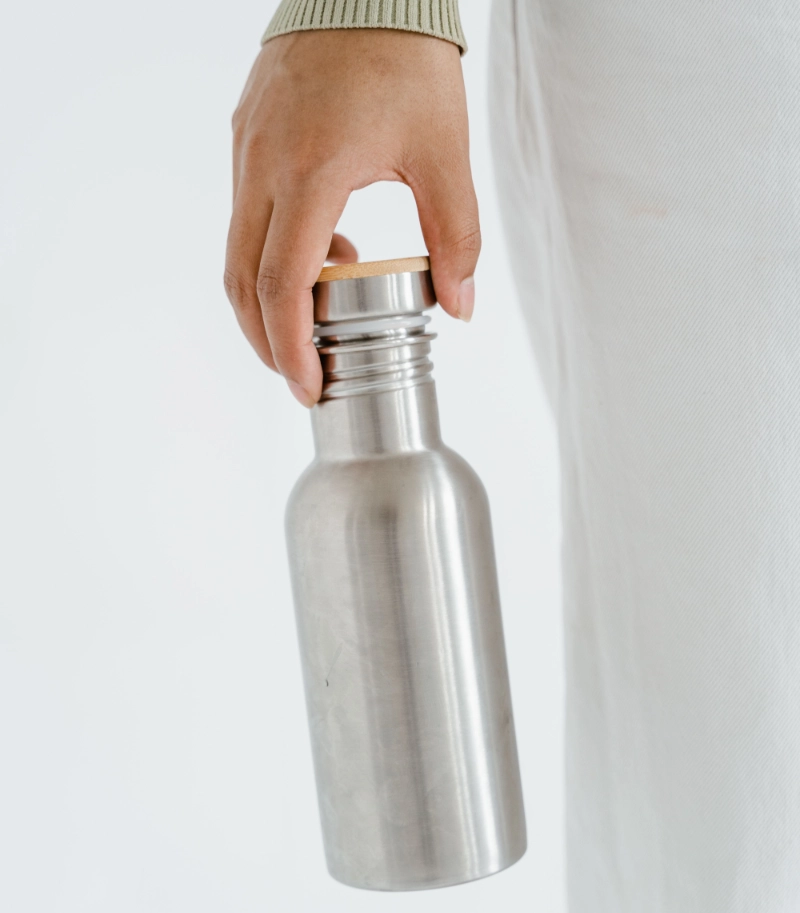
a reusable tumbler
three glass cups saying reuse me
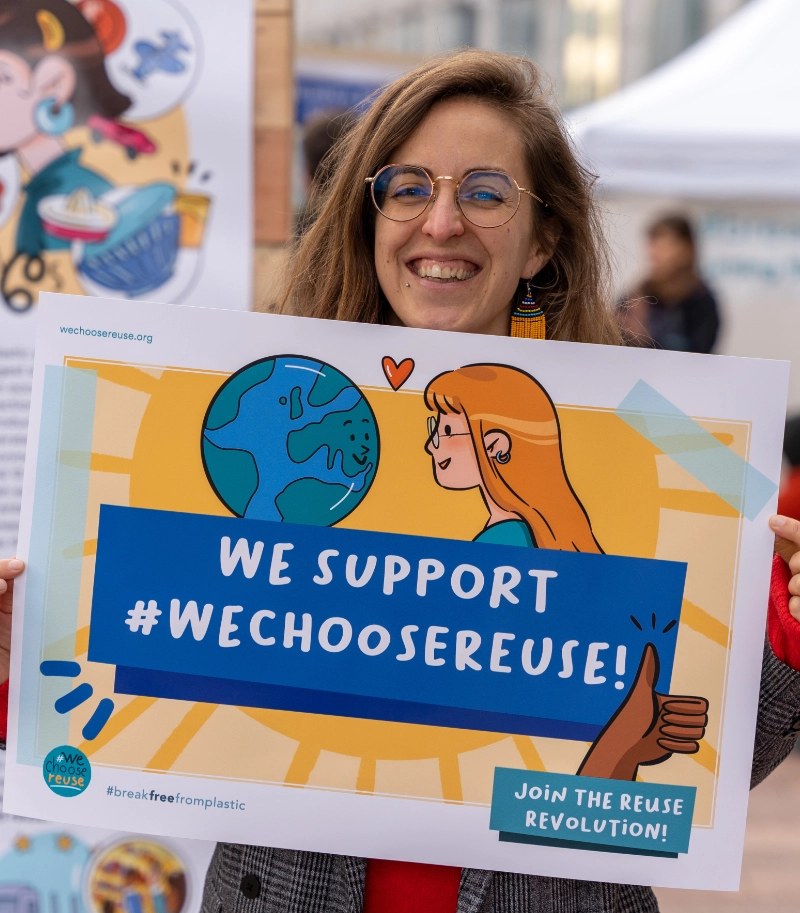
a person holding up a sign that says we choose reuse!
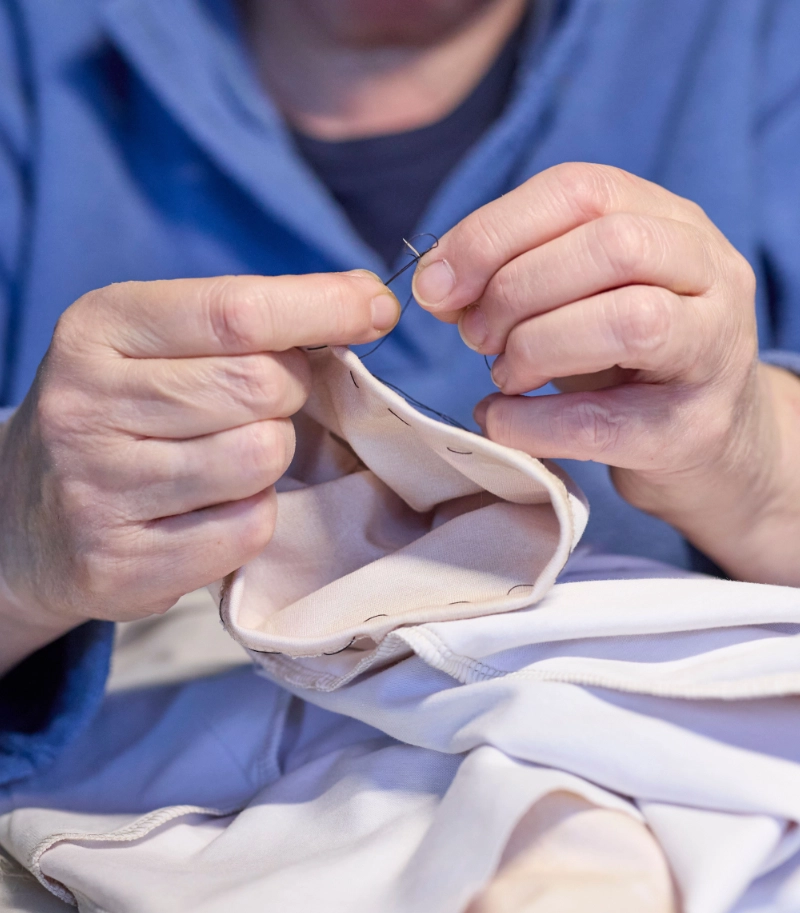
a person repairing clothing
two people holding up a sign that says "I support investments in reuse systems across Europe"
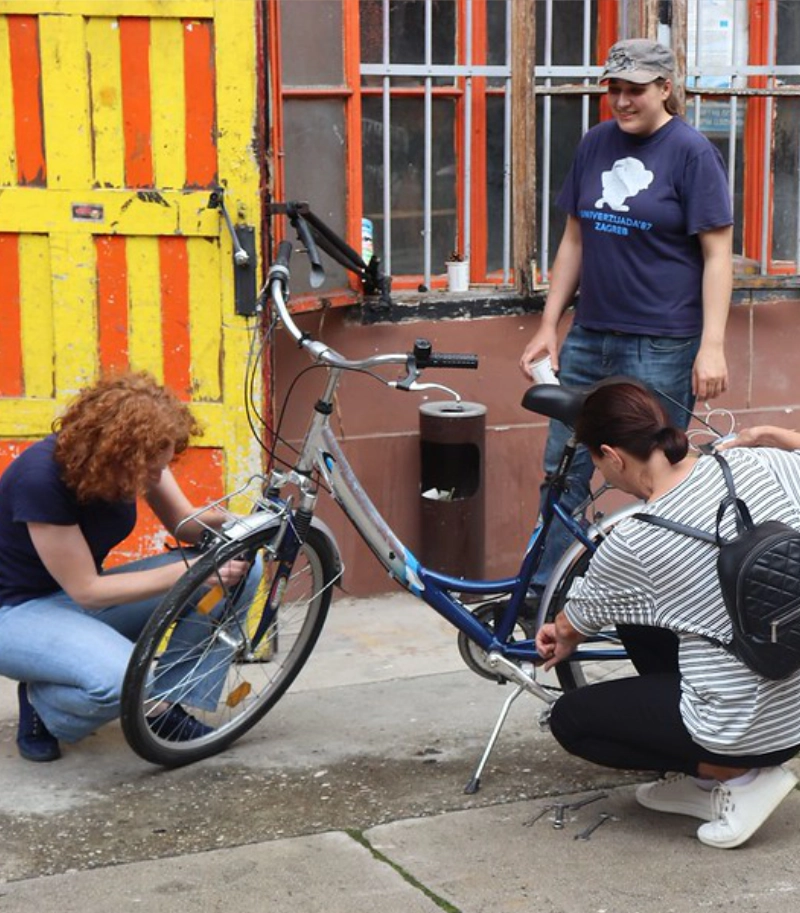
three people repairing a bicycle
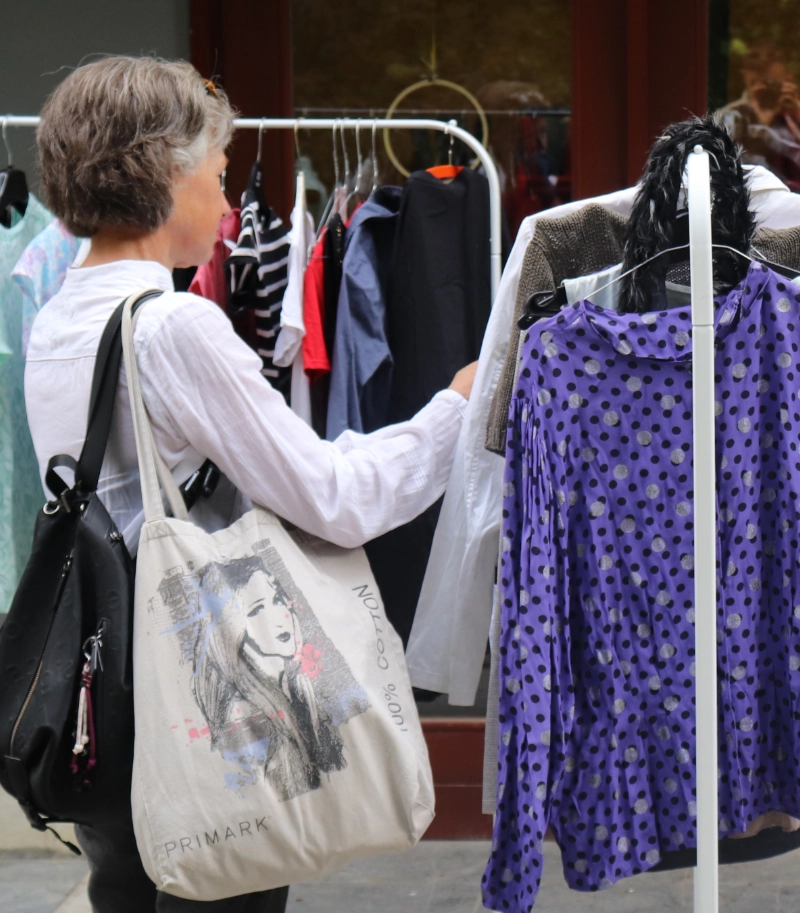
a woman browsing through second-hand clothing
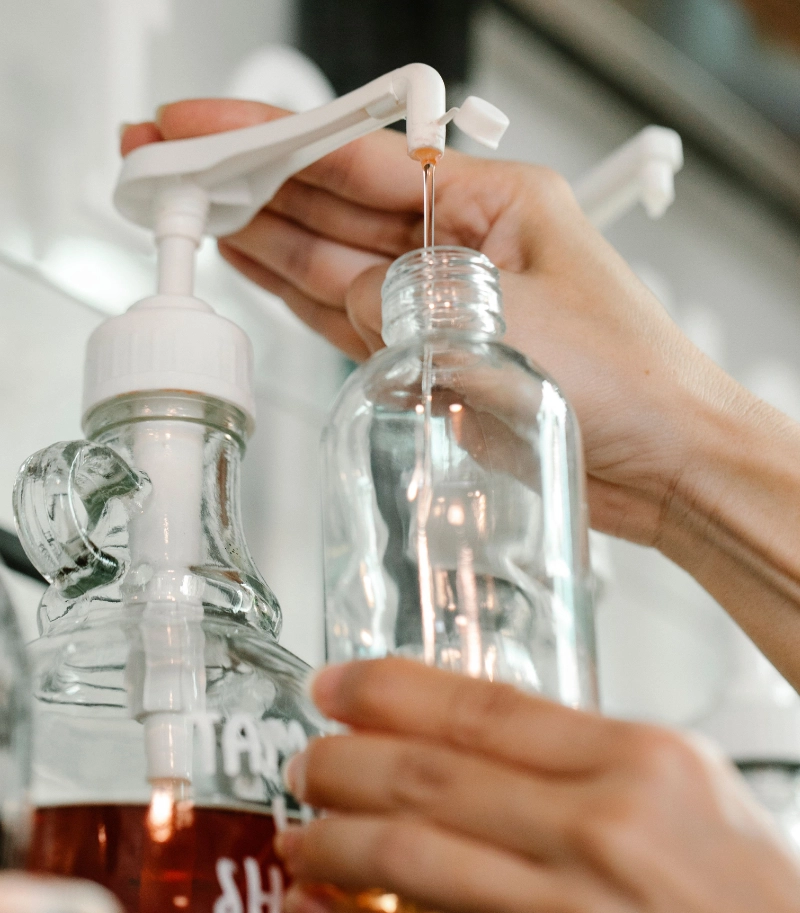
a person refilling a glass bottle
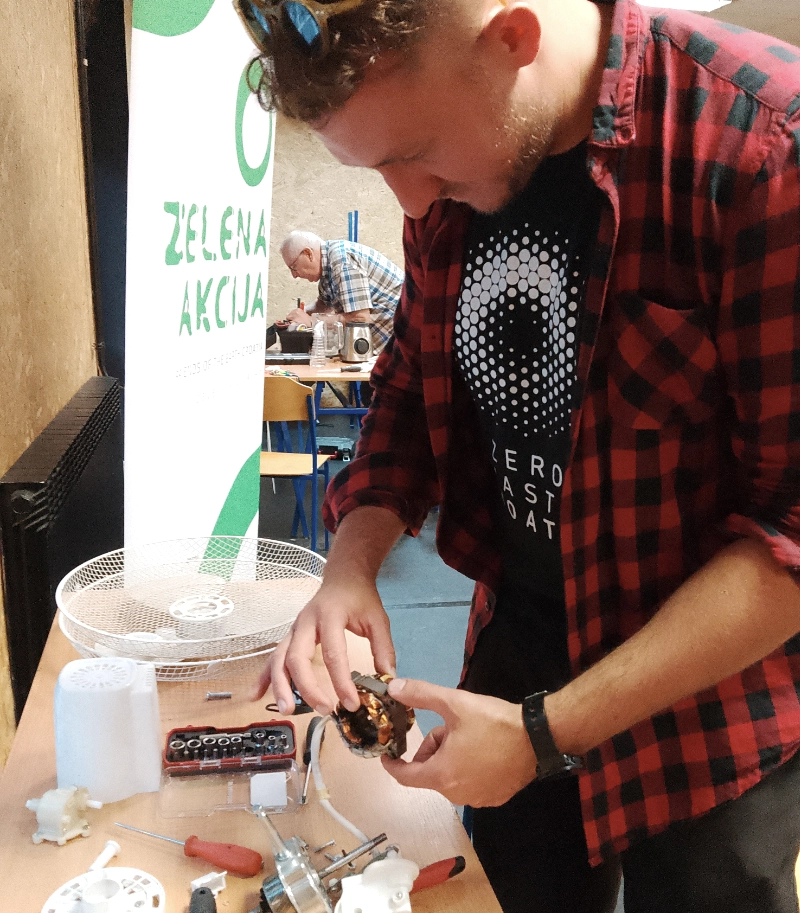
a person repairing electronics
01

Packaging is returned and refilled

Containers are collected, cleaned, and reused instead of thrown away.

an illustration of a delivery man with a woman saying thank you and a calendar saying "saturday, grocery man picks up empty containers"
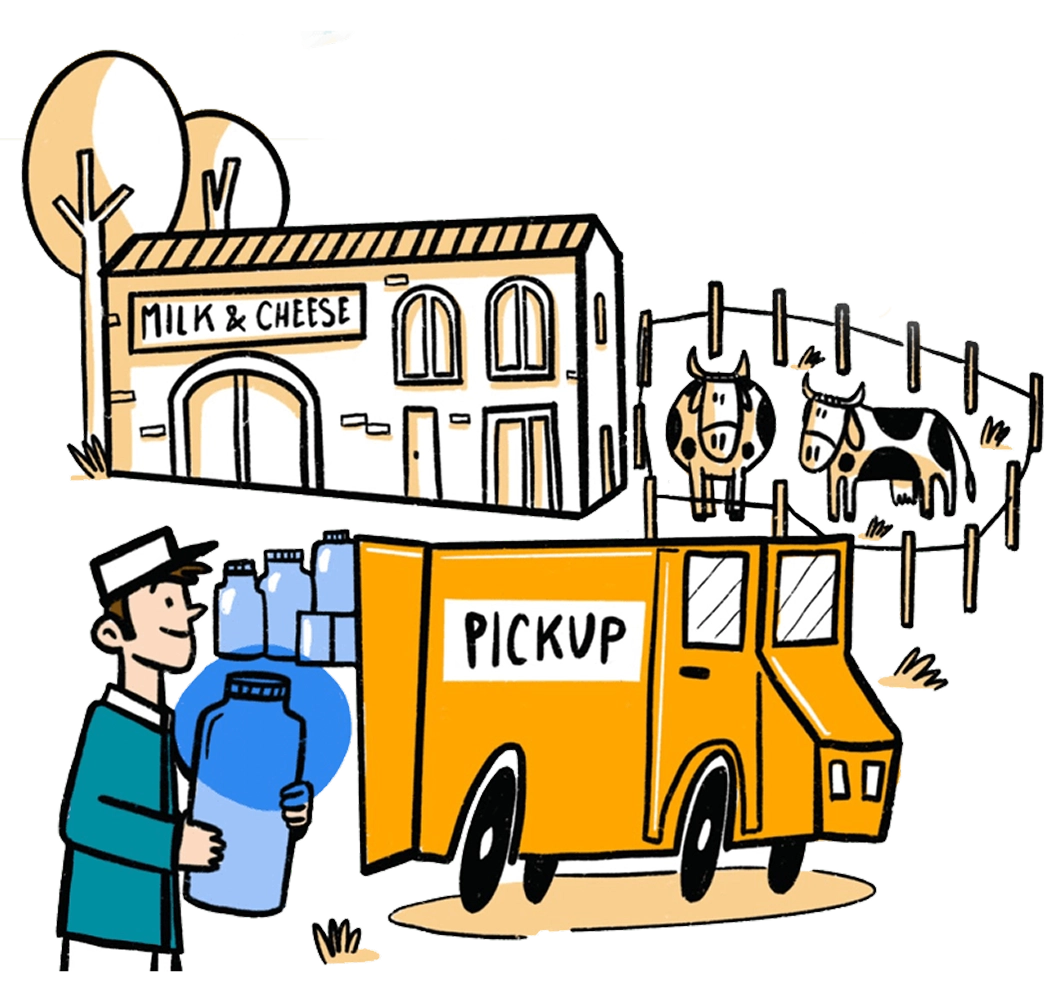
an illustration of a milkman picking up glass bottles from a farm with two cows
02

Products are built to last

Items are designed for repair, not replacement.

03

Materials stay in use longer

Resources are kept in circulation instead of becoming waste.

an illustration of a woman showing off her reusable glass while two people are looking at it one man has heart eyes

Europe’s overproduction problem:

Why waste keeps growing.

Plastic has made it cheap and easy to produce more than ever before. From fast fashion and single-use packaging to disposable electronics, products are increasingly designed to be thrown away. This system drives ever-rising levels of consumption and waste.

PACKAGING

79.7M

tonnes of packaging waste generated in Europe in 2023 (177.8 kg per person). 19.8% was plastic.
E-WASTE

14.4M

tonnes of electronics sold in the EU in 2023 — an 89% increase since 2012.

TEXTILES

12.6M

tonnes of clothing discarded every year. Most never reused or recycled.

The path forward is clear: reduce plastic production and scale reuse systems.

This is how we can stop waste from growing and end plastic pollution.

THE SOLUTION

Reuse is here to stay.

The reuse economy — a system in which products and packaging are designed to accomplish multiple trips within their lifespans — is growing. That means we can keep materials and packaging in circulation and:

  • Save resources
  • Produce less waste
  • Lower carbon emissions
  • Save money on waste management
  • And so much more

New to the reuse economy, or already an advocate for change?

Explore how the reuse economy works, what's already happening across Europe, and how you can be part of it.
EXPLORE THE REUSE ECONOMY
OUR APPROACH

Three powerful principles can help us reach this goal.

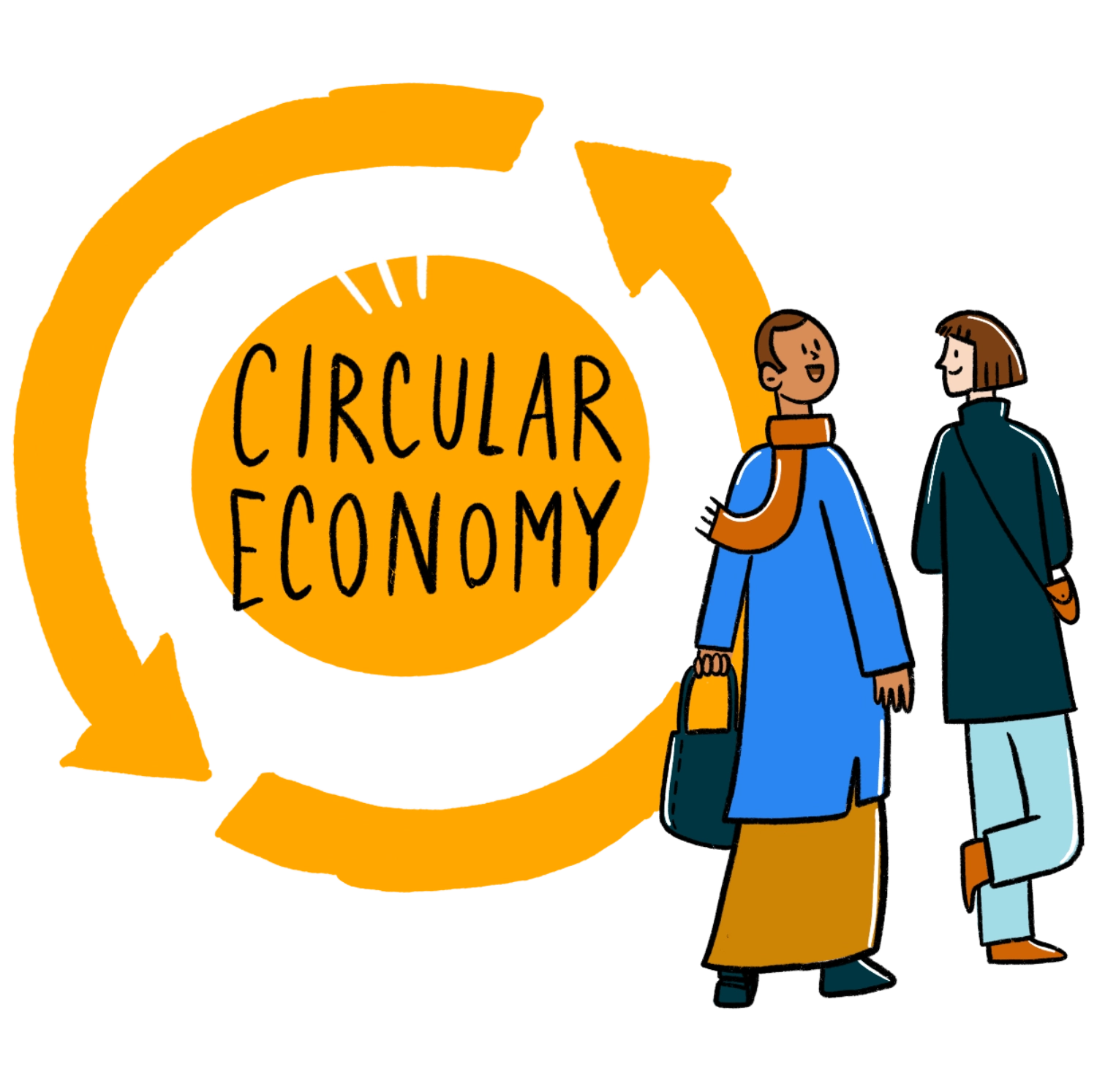
an illustration of a circular economy with two people walking
01

Reduce.

reduce plastic production
02

Reuse.

Keep toxic-free materials in circulation
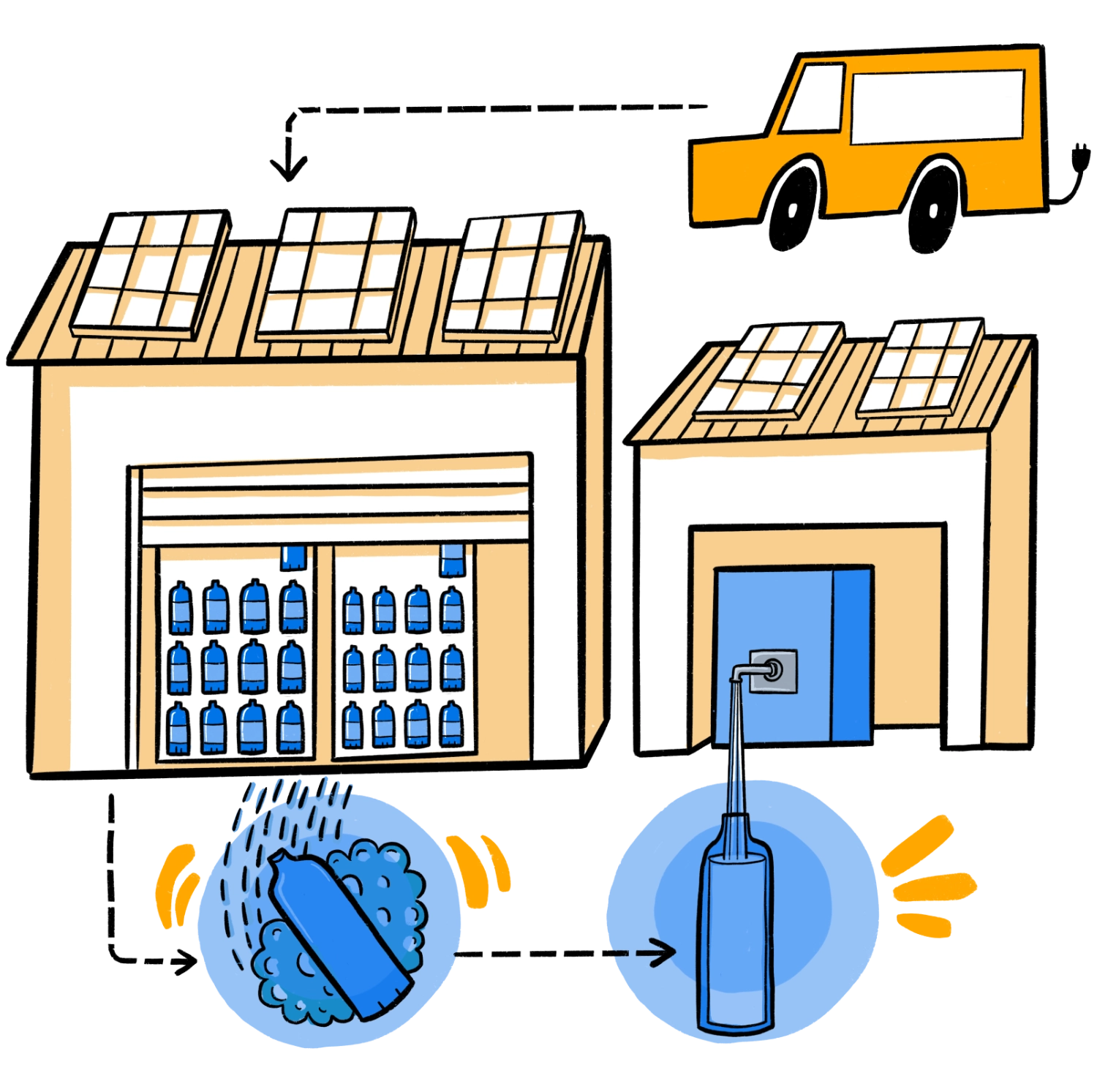
an illustration of a cleaning factory of glass bottles with a pickup truck
03

Repair.

Prioritise durability and repairability to keep materials in use for longer
an illustration of a woman repairing clothes
an illustration of a circular economy with two people walking
01

Reduce.

reduce plastic production
02

Reuse.

Keep toxic-free materials in circulation
an illustration of a cleaning factory of glass bottles with a pickup truck
03

Repair.

Prioritise durability and repairability to keep materials in use for longer
an illustration of a woman repairing clothes
STAY IN THE LOOP

Take Action.

Join the Movement.

Sign up for the #WeChooseReuse newsletter and stay up-to-date with the latest reuse news from Europe and beyond.

  • Regular insights into the reuse economy in Europe
  • Opportunities to contribute your updates and stories
  • News on latest reuse and zero waste events in Europe
REUSE HIGHLIGHTS

What’s New?

The reuse economy — a system in which products and packaging are designed
Electronics

Home appliance repair – it pays off

There are a number of myths surrounding the efficiency of new household appliances: the main one being that because they are new, they must be more energy efficient and therefore better for the planet and our bank accounts.

Packaging

City of Tallinn bans single-use plastic at public events

The City of Tallinn banned the use of plastic cutlery and serving food and drinks in single-use plastic dishes at public events in October 2019.

COMMUNITY

Do you have a story to share? We’d love to hear from you.

We are always looking for inspiring stories from across Europe that showcase what reuse systems look like in different countries, regions and communities.


SHARE YOUR STORY